
When you hear high design in our line of work, the immediate reaction from some site managers is a dismissive shrug—they think it’s just marketing fluff, a fancy shell slapped on the same old gear to justify a higher price tag. I used to lean that way too, until a series of wet season failures on a highway sub-base project forced a rethink. The core benefit isn’t about looks; it’s about how that integrated, deliberate engineering—the high design—transforms operational stability and total cost over three years, not just the initial pour.
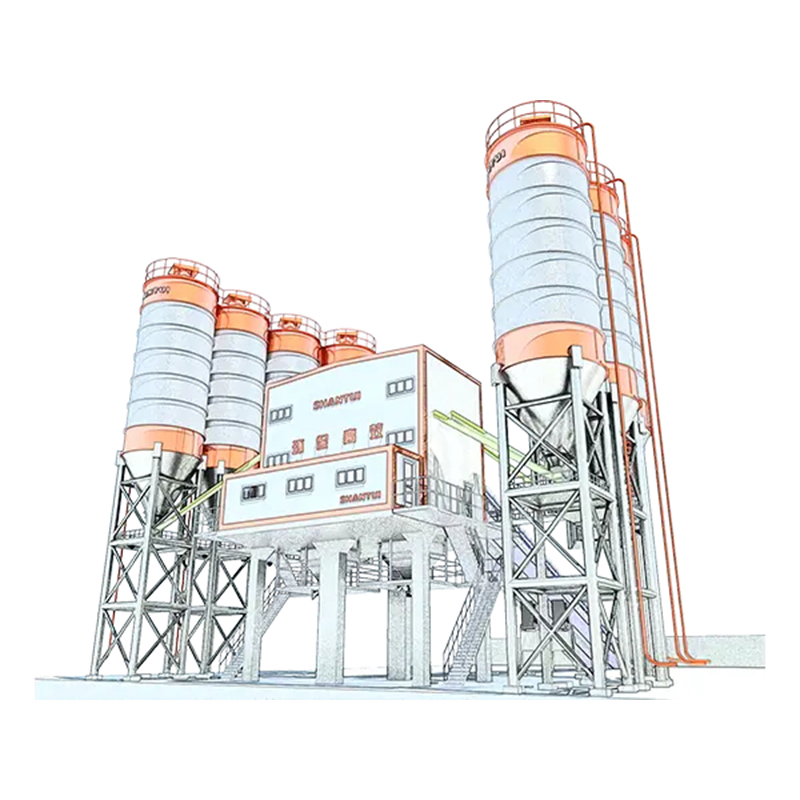
Beyond the Shell: What High Design Actually Solves
Let’s get specific. A standard stabilized soil mixing station gets the job done, but its pain points are universal: aggregate segregation on the conveyor, inconsistent moisture feedback loops, and dust control that fails the moment the wind changes. A high-design approach, like what we’ve seen in systems from manufacturers such as Zibo jixiang Machinery Co.,Ltd., tackles this from the ground up. It’s not a cosmetic cover; it’s the strategic placement of a secondary mixing chamber after the primary mixer to combat segregation, or the use of weighted and shielded laser sensors for moisture that aren’t fooled by surface spray. The benefit is a mix with a consistent coefficient of variation in binder distribution—critical for stabilized layers that won’t develop weak planes.
I recall a project where we were using a conventional setup. The gradation from the final sample was all over the place. The problem traced back to the radial stacker and the transfer points. The high-design alternative we switched to used a totally enclosed, computer-modeled conveyor trajectory and internal baffles. The difference in the pile formation was visible; no more cone-shaped piles with coarse aggregate rolling to the bottom. This directly translated to fewer rejections from the site engineer.
The real test is in the metrics you don’t always track daily. We started logging mean time between unscheduled maintenance across different plant types. The stations with a coherent design philosophy, where components were chosen and placed for mutual access and protection, showed a 40-50% longer runtime before a major intervention. This is the hidden benefit: design for serviceability is a core tenet of high design.
The Control System: Where Intelligence Meets Dirt
This is where the magic—or the misery—happens. Many stations have a computerized control, but it’s often just a basic PLC logging inputs. High design integrates the control with the mechanical process. It’s the difference between a system that adds water based on a single sensor reading and one that uses a predictive algorithm, factoring in aggregate surface moisture from the feeder, ambient humidity, and real-time mixer torque to adjust the valve. The benefit is a reduction in water consumption by 5-8%, which is huge for curing times and final strength.
We learned this the hard way. On an early project, our control system would see a moisture spike and cut water, but with a lag, leading to a batch that was too dry, followed by an over-correction. The resulting soil had poor compaction. The solution from a better-designed station was a feed-forward loop and a more responsive valve array. The consistency of the mix coming out became something you could almost set your watch by.
Another practical point is the HMI (Human-Machine Interface). A cluttered, confusing screen is a source of operator error. Good design presents critical data—binder screw speed, mixer amperage, moisture trend line—clearly and logically. It reduces cognitive load. I’ve seen operators on a well-designed system catch a developing issue, like a gradual drop in cement flow, long before it triggers an alarm, because the interface makes the process state intuitively understandable.
Structural Integrity and Site Adaptability
People underestimate the structural design. A modular, bolt-together frame might be cheaper to ship, but it flexes. That flexing over thousands of cycles leads to misalignment in screw conveyors, wearing out seals, and creating those maddening, constant leaks of powder. A high-design stabilized soil mixing station often uses a welded, rigid main frame for critical alignment sections. The benefit is a drastic reduction in fugitive material loss and the maintenance downtime associated with re-aligning components.
Adaptability is key. We had a site with a severe space constraint. A standard linear layout was impossible. A supplier—I believe it was Zibo jixiang—proposed a L-shaped, high-density layout for their station. This wasn’t an afterthought; it was part of their design catalog. The pugmill mixer, aggregate bins, and cement silos were positioned to use the site’s geometry, saving nearly 30% of the footprint without sacrificing access for loader trucks. This level of configurable design is a direct operational benefit, opening up more potential site locations.
Then there’s the foundation. A lighter, less rigid plant needs a more substantial concrete pad to stay level. A robustly designed station, with its own integral stiffness, can sometimes get by with a simpler, less costly foundation. Always factor that into your total site preparation cost. It’s an often-overlooked saving.
The Cost Fallacy: Total Ownership, Not Sticker Price
The biggest hurdle is always the initial quote. A high-design plant from an established manufacturer like the one at https://www.zbjxmachinery.com will look more expensive on paper. The benefit analysis has to shift from purchase price to cost per cubic meter over the plant’s life. You’re weighing higher upfront cost against: lower binder waste (that cement is expensive), less fuel for re-compacting inconsistent sections, fewer labor hours for cleaning and fixing leaks, and higher asset resale value.
I made the mistake of going cheap once. The savings were eaten up in the first year by two major breakdowns that halted production for days, and by a consistent 3% over-consumption of cement we couldn’t eliminate. The plant foreman was constantly fighting it. We eventually did a mid-life retrofit with some better components, which cost almost as much as the initial price difference for a better-designed station. That was the lesson.
Reliability is a financial metric. A plant that runs 95% of available time versus 85% is producing more revenue. That 10% difference pays for the design premium surprisingly fast. It also keeps your client happy, which leads to the next job. That’s intangible, but real.
Observations from the Field: The Devil in the Details
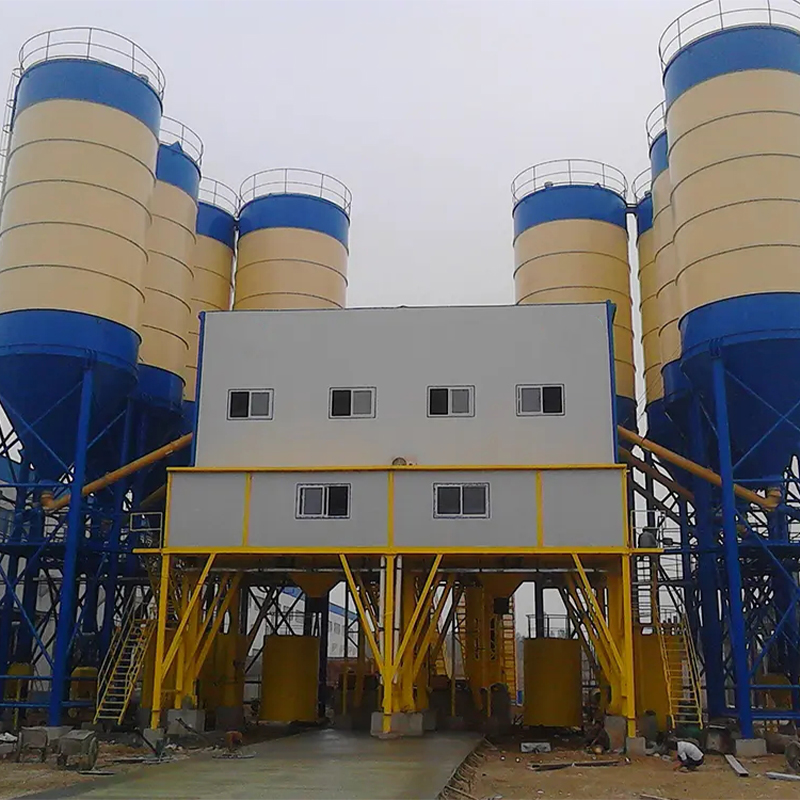
It’s the small things that convince you. On a well-designed station, the walkways are wide and grated, with handrails where you need them—safety is designed in, not bolted on as an afterthought. Cable and hose routing is in protected channels, not dangling where a loader can snag them. The grease points for the mixer bearings are all accessible from one platform. These details don’t appear in the spec sheet, but they save time, prevent accidents, and make daily operations smoother.
Another detail is dust management. It’s not just a baghouse bolted to the roof. It’s a systemic approach: sealed transfer points, negative pressure in the weighing hoppers, and correctly sized filter area. I’ve visited sites where the high-design plant sits in the middle of a fairly clean pad, while the older plant next to it is shrouded in a fine haze. That haze is lost profit and a health hazard.
Finally, consider the supply chain and support. A company like Zibo jixiang Machinery, noted as an early backbone enterprise in this field, typically has a deeper understanding of these integrated systems. The benefit is that when you do need a part or technical advice, you’re dealing with engineers who understand how the whole system interacts, not just parts clerks. That support is part of the product’s design ecosystem and is crucial for minimizing downtime. It turns a capital purchase into a long-term partnership, which is really what you’re buying when you invest in a properly designed station.
Post time: 2026-03-31